
Blog

- By Admin
- Dec 12, 2025
The Advantages of thermal and mechanical Simulations in 3D Printing
Thermal and mechanical simulations play a crucial role in the 3D printing process, offering several advantages that improve the overall efficiency, quality, and reliability of additive manufacturing. Here are some of the key advantages of using thermal and mechanical simulations in 3D printing:
1. Predictive Analysis:
Simulations allow engineers to evaluate the thermal and mechanical behaviour of a 3D-printed part before physical production. By simulating different design iterations, they can identify potential weaknesses, areas of high stress, and overheating problems. This knowledge enables them to optimize the design to ensure better performance and structural integrity.
2. Material Selection:
Different 3D printing materials have varying thermal and mechanical properties. Simulations aid in the selection of suitable materials based on the specific requirements of the part. Engineers can assess how different materials behave under various conditions, ensuring the chosen material is the best fit for the application.
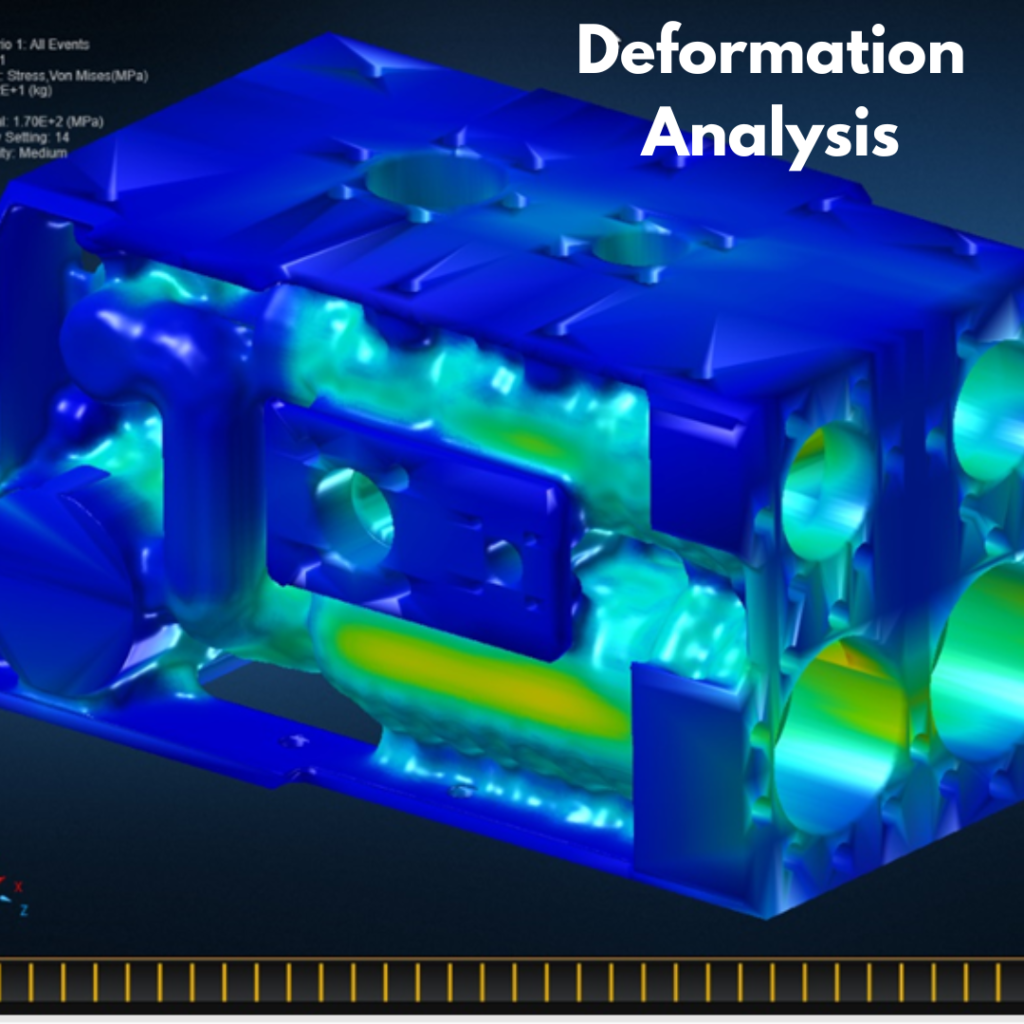
3. Thermal Stress Analysis:
Thermal simulations help predict the temperature distribution during the printing process. This is particularly important for materials that tend to warp or undergo distortion as they cool down. By understanding these effects beforehand, engineers can adjust printing parameters or implement support structures to minimize warping and ensure dimensional accuracy.
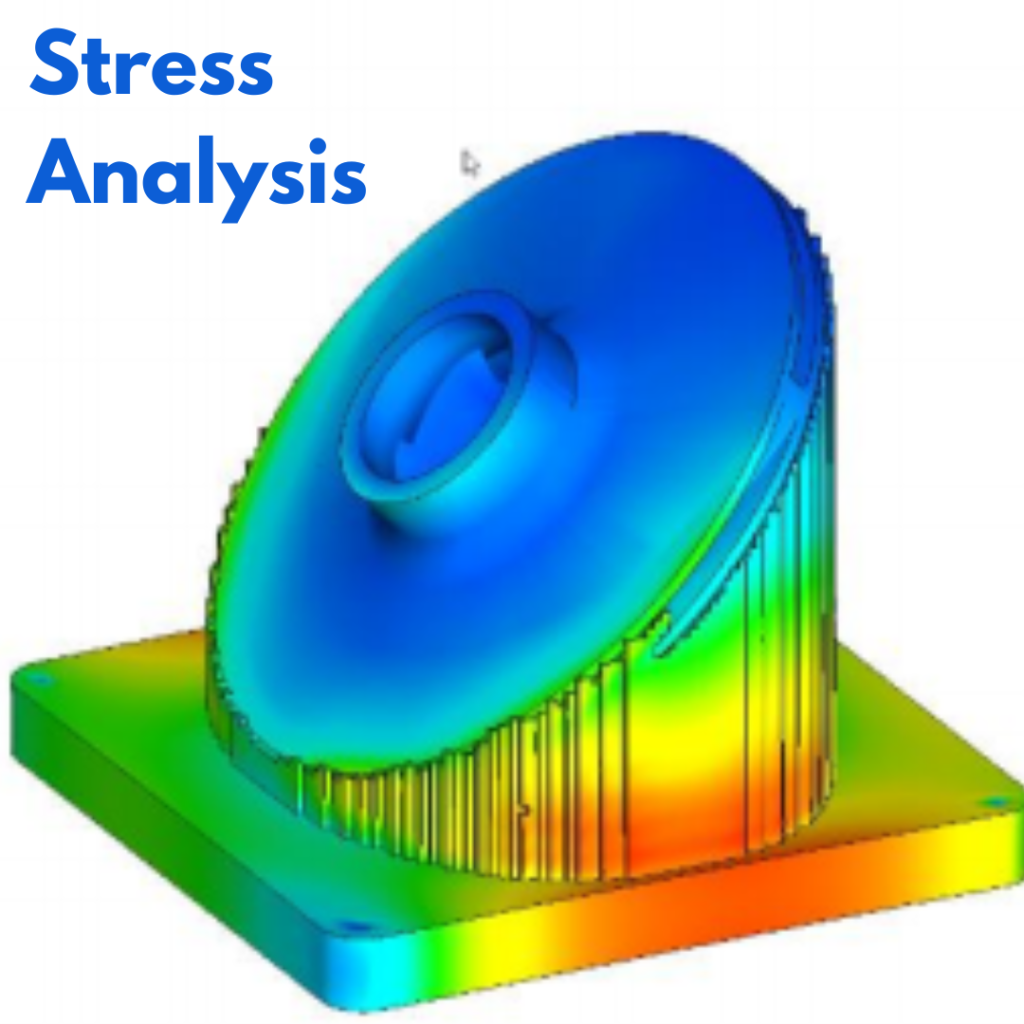
4. Reducing Manufacturing Defects:
Mechanical simulations can identify potential defects that may occur during the printing process, such as cracking, delamination, or insufficient bonding between layers. Early detection of such issues allows for adjustments to prevent defects in the final product.
5. Optimization of Print Parameters:
Thermal simulations help in optimizing printing parameters like print speed, layer height, and build platform temperature. By analyzing the heat distribution and thermal gradients, engineers can fine-tune the process to achieve higher printing speeds, reduce energy consumption, and enhance overall efficiency.
6. Improved Part Performance:
Understanding how a part responds to mechanical stress and thermal conditions aids in designing components with enhanced performance and durability. This is particularly valuable in industries where parts must withstand extreme conditions or stringent requirements.
7. Cost Reduction:
By simulating the printing process, engineers can reduce material waste and minimize the need for costly physical prototypes. Iterative simulations help identify potential issues and optimize designs before committing to physical production.
8. Shortened Development Cycle:
Faster and more accurate simulations enable faster product development cycles. Engineers can rapidly evaluate multiple design iterations, allowing them to iterate and refine designs more efficiently. This encourages innovation and iterative design processes.
9. Quality Assurance:
For industries with strict safety regulations, such as aerospace or medical, simulations can help ensure that 3D-printed parts meet the necessary quality standards and are fit for their intended purpose.
In conclusion, thermal and mechanical simulations are powerful tools in 3D printing workflow, offering a range of advantages that contribute to improved print quality, reduced costs, and faster development cycles. They are particularly valuable in industries such as aerospace, automotive, healthcare, and manufacturing, where precision and reliability are paramount.


Leave a Reply