
Blog

- By Admin
- Dec 12, 2025
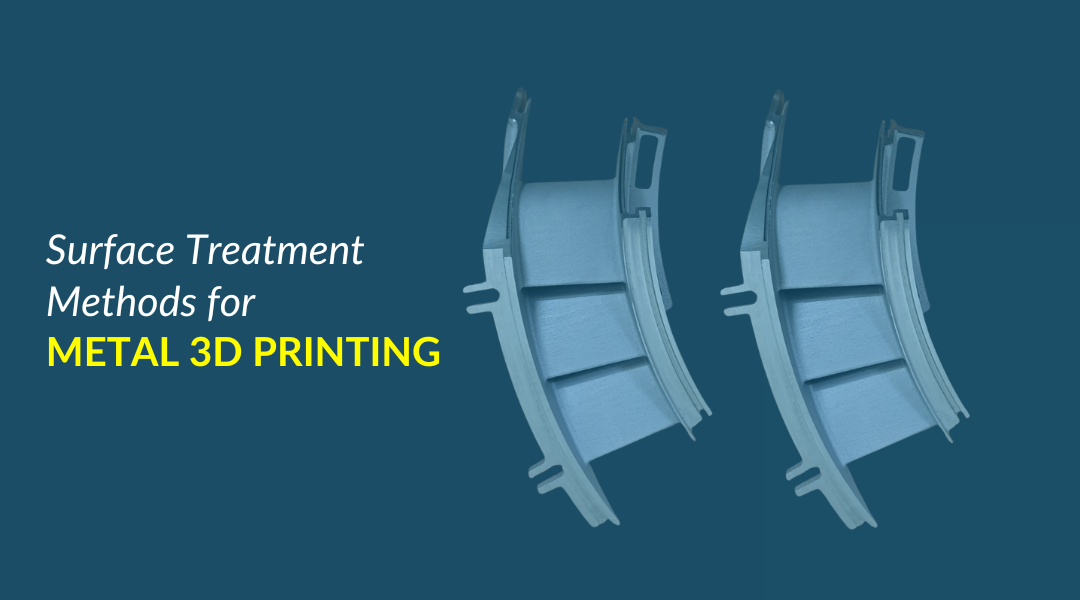
A Closer Look at Surface Treatment Methods for Metal 3D Printing
A Closer Look at Surface Treatment Methods for Metal 3D Printing
Surface finish is indeed a critical aspect in metal 3D printing, and post-processing methods play a crucial role in achieving the desired surface quality. Here are some common surface treatment methods for metal 3D printing:
Machining/ Mechanical Processing:
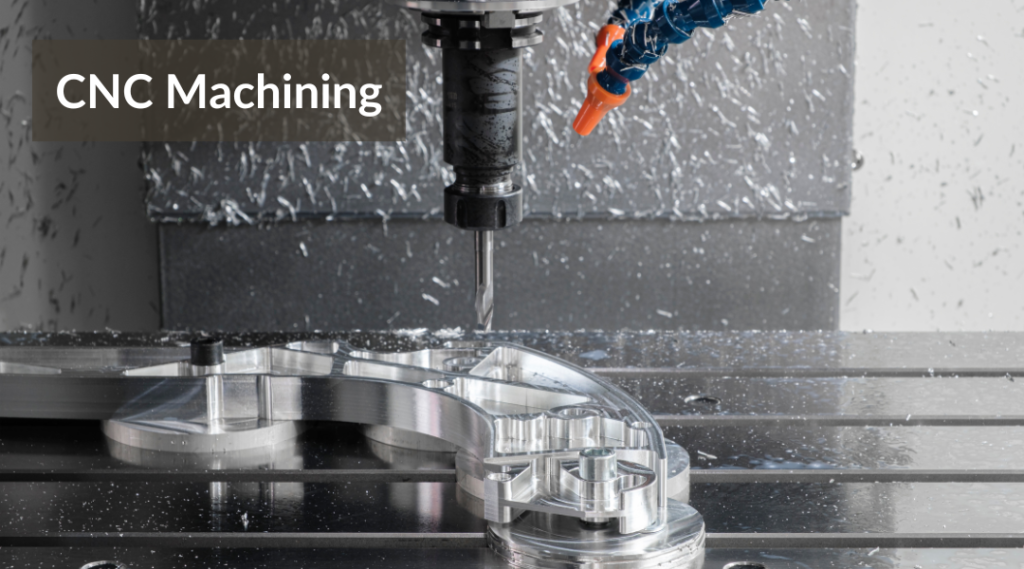
- CNC Machining: This involves using computer numerical control (CNC) machines to remove material and refine the surface of the 3D printed part. It’s effective for achieving high precision and tight tolerances.
- Polishing and Grinding: These processes help smooth out rough surfaces and improve the overall finish. Various abrasive tools and techniques can be employed to achieve different levels of smoothness.
Chemical Treatments:
- Chemical Polishing: Involves using chemical agents to selectively dissolve and remove material from the surface. This can help in achieving a smoother finish.
- Electrochemical Polishing: A process that uses an electrically charged solution to remove surface imperfections and enhance the overall finish.
Surface Coating:
- Plating: Applying a thin layer of metal, such as chrome or nickel, to the surface of the 3D printed part. This can improve aesthetics, corrosion resistance, and overall durability.
- Painting and Powder Coating: These methods provide both aesthetic improvement and protection for the surface. Powder coating, in particular, creates a durable and even finish.
Vibratory Finishing:
Vibratory Tumbling: Involves placing the 3D printed parts in a vibrating container with abrasive media. This process helps in removing sharp edges and improving surface smoothness.

Heat Treatment
Annealing: Subjecting the metal part to controlled heating and cooling processes can relieve internal stresses and improve the overall material properties, including surface finish.
Additive Techniques:
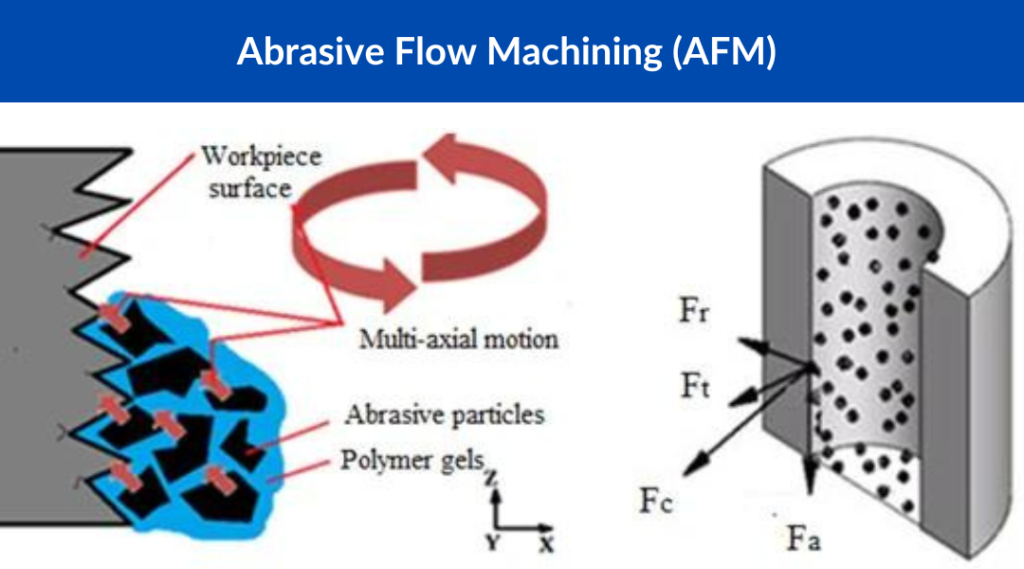
- Abrasive Flow Machining (AFM): Involves forcing an abrasive-laden polymer through the internal channels of a part, helping to remove material and improve surface finish.
It’s important to note that the choice of post-processing method may depend on the specific material used in 3D printing, the geometry of the part, and the desired end-use application. Experimentation and optimization are often required to find the most suitable combination of additive and subtractive processes for achieving the desired surface finish in metal 3D printing.






Leave a Reply