Blog

- By Admin
- Feb 12, 2026
🚀 3D Printing is Reshaping Drone and UAV Manufacturing
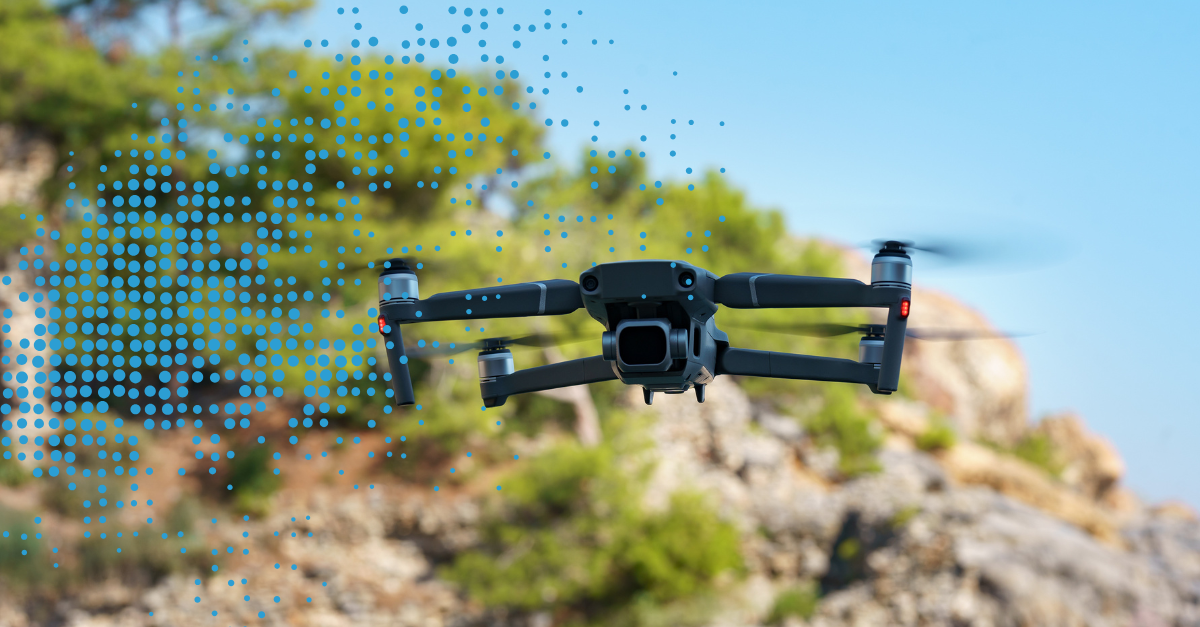
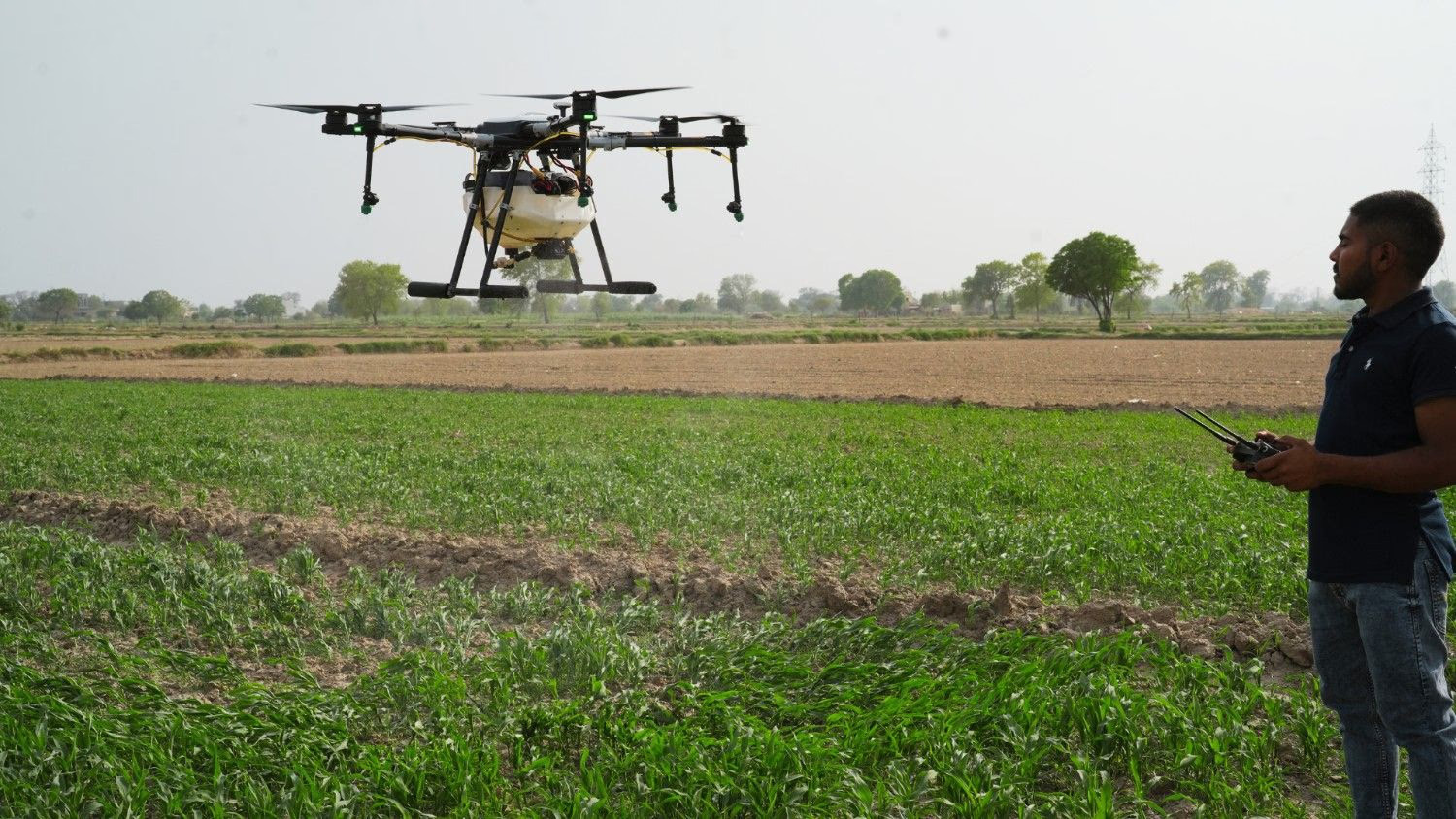
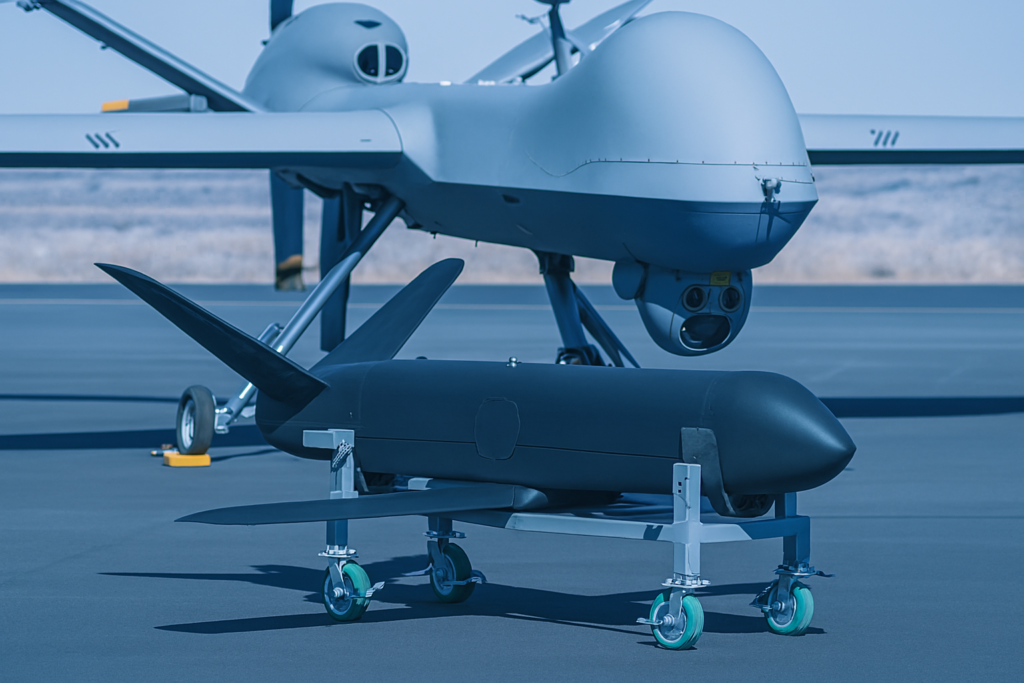
Unmanned Aerial Vehicles (UAVs) are transforming industries from aerospace and defence to logistics and industrial inspection. At the heart of this transformation lies additive manufacturing (AM)—commonly known as 3D printing—which is redefining how drones are designed, prototyped, and produced.
✈️ Why Additive Manufacturing Matters for UAVs
Traditional manufacturing methods often struggle to keep pace with the rapid innovation cycles of UAV programs. Tooling delays, material constraints, and design limitations can slow down development. Additive manufacturing changes the game by offering:
– Faster development cycles with rapid iteration and prototyping
– Lightweight, optimized components that enhance flight efficiency
– Greater design flexibility for complex geometries and aerodynamic structures
– Digital inventory and on-demand production, reducing supply chain bottlenecks
🔧 Objectify’s Role in UAV Innovation
At Objectify Technologies, we specialize in delivering end-to-end additive manufacturing solutions tailored to the unique needs of drone and UAV programs.
Our expertise ensures accuracy without compromising speed, enabling UAV programs to move from concept to validation faster than ever.
Key Benefits for UAV Production:
– Accuracy & Performance: High-precision parts that meet aerospace and defence standards
– Rapid Iteration: Design validation without tooling delays
– Material Versatility: Options tailored for demanding environments
– Scalable Production: From R&D prototypes to low-volume manufacturing
⚙️ Technologies Driving UAV Manufacturing
Objectify leverages multiple advanced processes to support UAV innovation:
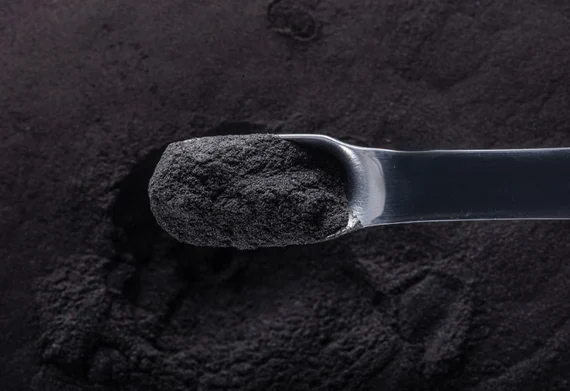
– LPBF (Laser Powder Bed Fusion) – for strong, lightweight metal components
– SLS (Selective Laser Sintering) – ideal for durable polymer parts
– SLA (Stereolithography) – for high-resolution prototypes and intricate designs
– Vacuum Casting – for functional testing and low-volume production runs
From sensor housings and gimbal mounts to structural frames and aerodynamic components, our technologies empower UAV manufacturers to push boundaries in design and performance.
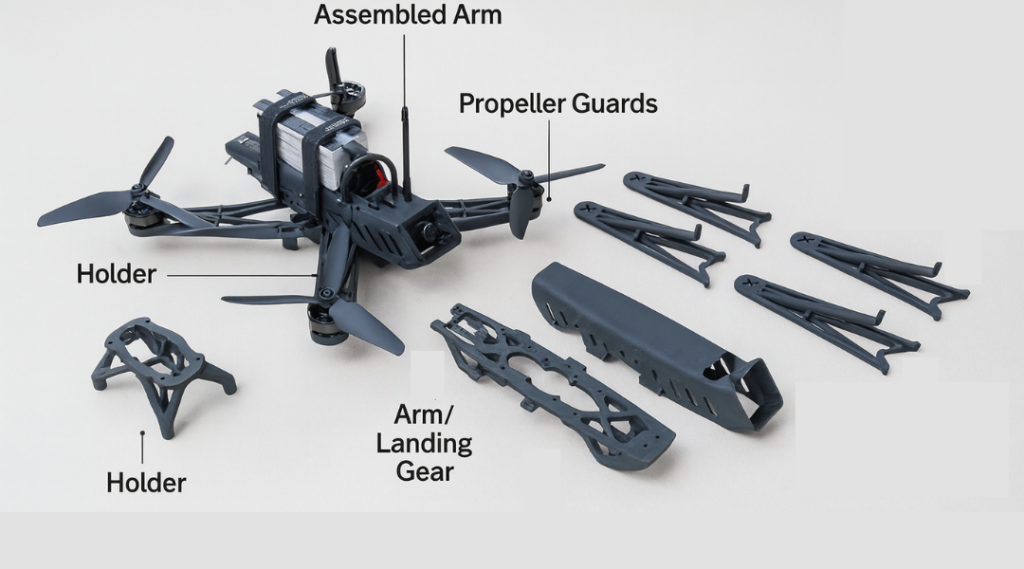
Common 3D-Printed Drone Components:
Typical examples include:
- Frames and airframes
- Arms/landing gear
- Motor mounts
- Camera gimbals and payload enclosures
- Propeller guards
- Ducts, brackets, and custom sensor housings
Materials Commonly Used:
Polymers — PLA/ABS for prototypes; Nylon (PA12/PA11) Nylon GF( 30% filled), carbon-fiber-reinforced composites (e.g., PA603CF, Ultem 9085, PEEK) for durable, flight-ready parts.
Metal: High-strength lightweight metals (such as aluminum alloys like AlSi10Mg and titanium alloys like Ti-6Al-4V) for critical structural components
🌍 The Future of UAV Manufacturing
As UAVs become integral to defence, aerospace, and industrial applications, additive manufacturing will continue to accelerate innovation. By combining digital workflows with advanced materials, manufacturers can achieve lighter, faster, and smarter drones—ready to meet the challenges of tomorrow.
At Objectify, we don’t just provide technology—we partner with manufacturers to select the right processes and materials, ensuring every UAV component meets the highest standards of precision and reliability.